Meet me in one minute
A small white ball, two years of research, and why I want to spend next year somewhere new. Keep an eye on the ball.
1-minute intro video goes here
Small things, big questions
Taking the Taiwan Physics Olympiad preliminary round for the third time. Third time's the charm?
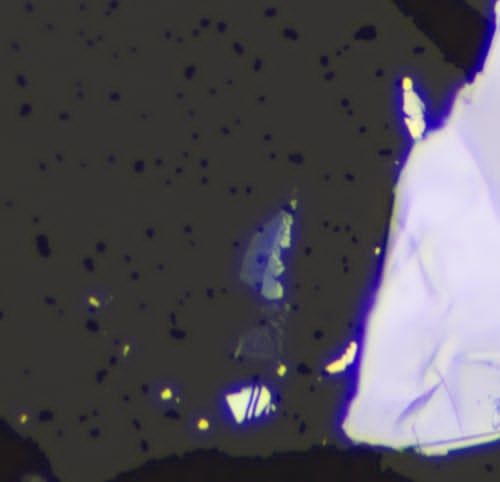
Drag the laser across the sphere. I measured 17 points, 0.3 µm apart, and watched the spectrum change.
Point 1 of 17 · flat MoS₂
Schematic of the trends we measured, not real data. Dashed line: flat MoS₂.
The bump is a knob. Bending the sheet changes how it handles light.
Why that matters →A small white ball, two years of research, and why I want to spend next year somewhere new. Keep an eye on the ball.
I grew up around conversations about new technology and startups, and I've watched AI tools start to change how research is done, how people work, and how everyone gets through an ordinary day. Nobody can predict where this wave lands. That is exactly why I don't want to follow a fixed plan.
What I'm excited to learn next is how these tools are changing the way science gets done, from designing experiments to reading spectra like mine. I want to step out of my comfort zone, get close to the people building them, and open doors I don't know exist yet. Then I want to bring what I learn back to research, where I think I can contribute the most.
My number one reason for a year at The Academy: to learn from people who build, while the ground is still moving.
This isn't a new habit. I chose a small, unusual science program over the obvious high school, and a materials physics lab over a familiar topic. A year at The Academy is the next different road, and it fits who I am.
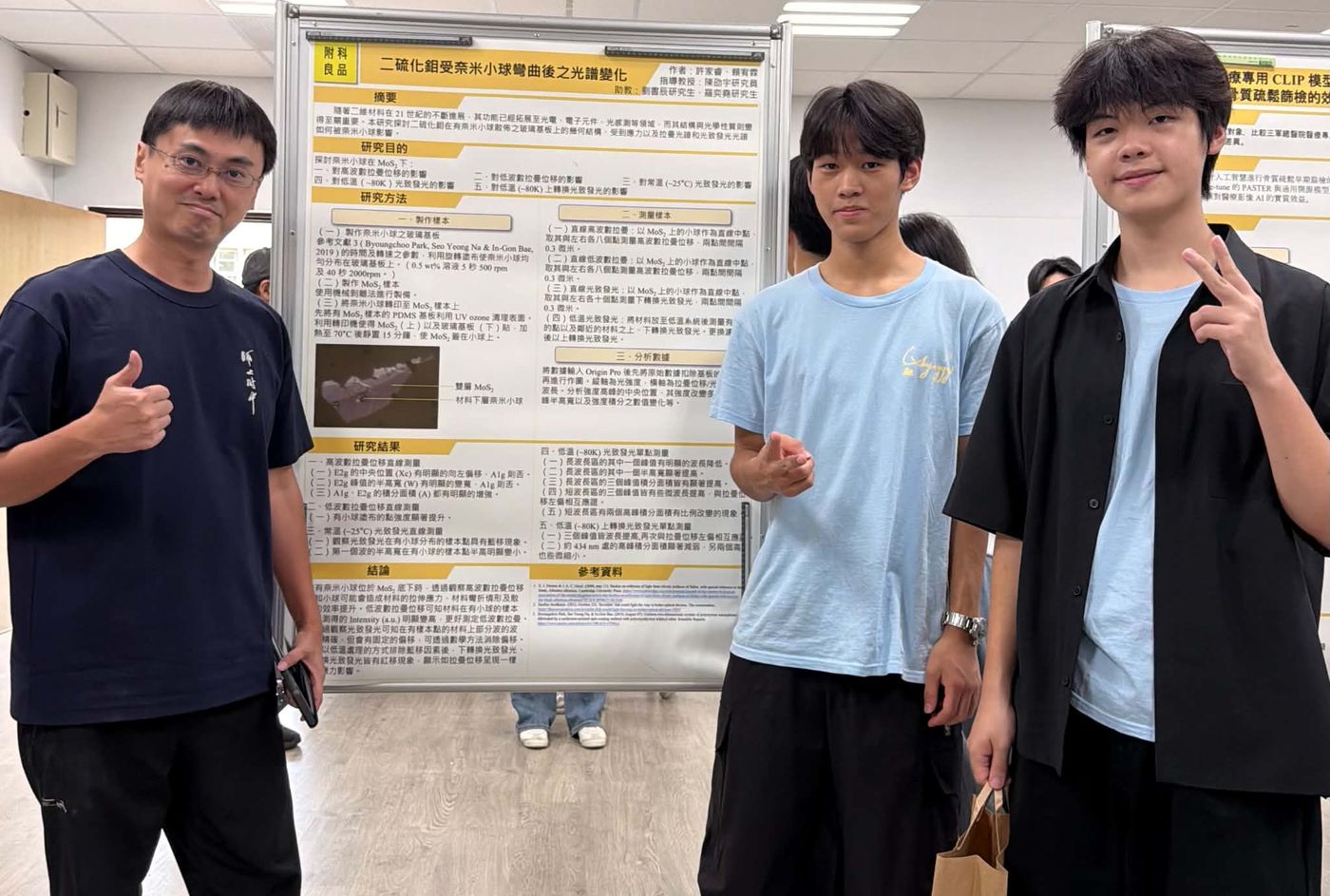
Growing up in Taiwan, I heard the word semiconductor long before I understood the physics inside one. Quantum physics made me want to know what was happening underneath it. When my science program asked every student to do two years of research, most of us picked subjects we already knew. I wanted the opposite. I went looking for a materials physics lab, found the Center for Condensed Matter Sciences at National Taiwan University, and emailed a lab I had never met.
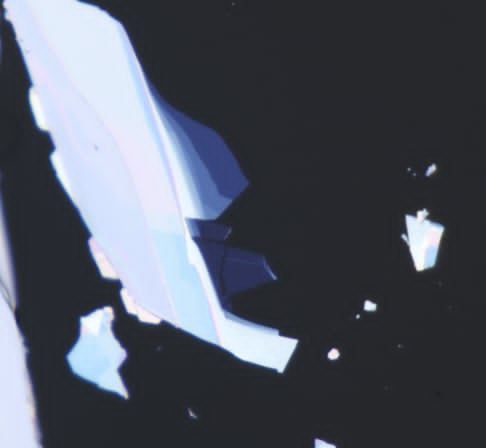
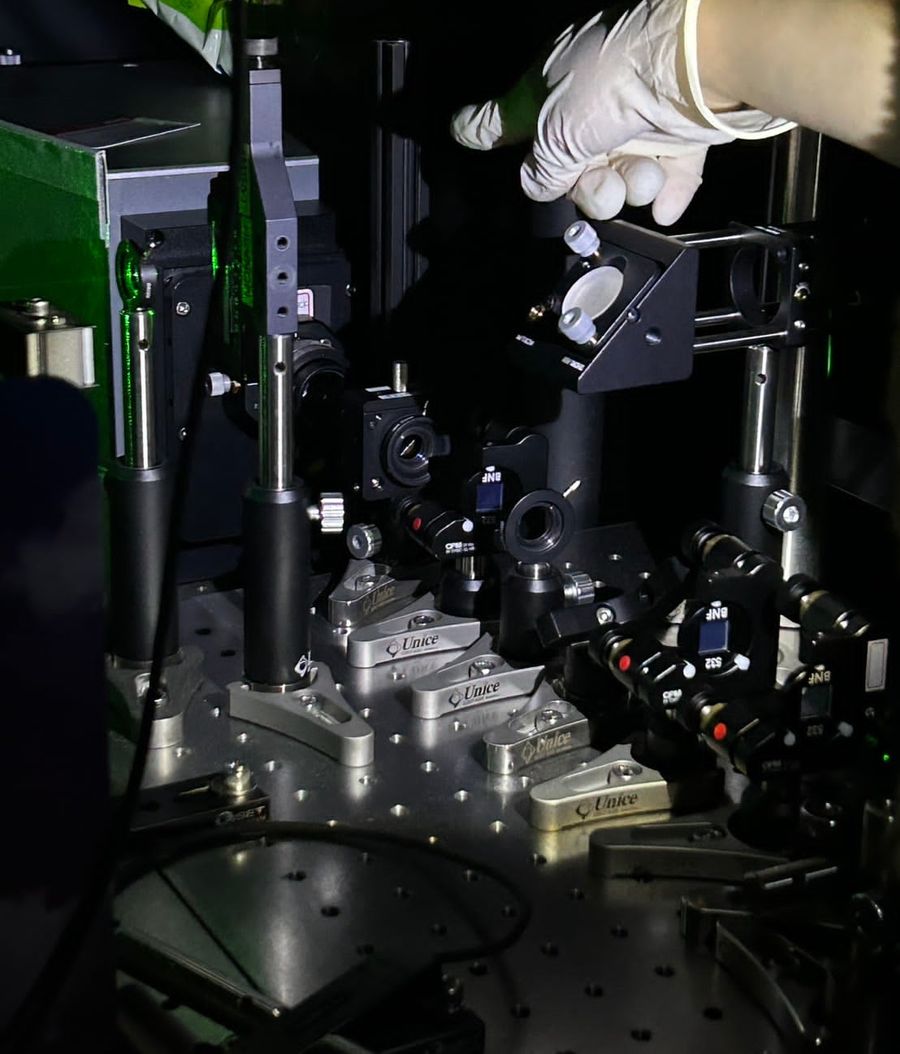
My research partner and I studied what happens when MoS₂, a sheet only a few atoms thick, sits on glass scattered with nanospheres: how it bends, how much it is strained, and how its Raman and photoluminescence (PL) spectra respond.
I couldn't see the material bending. The spectrum could.
With Yu-Lin Lai. Advisor: Dr. Shao-Yu Chen, Center for Condensed Matter Sciences, National Taiwan University. Supported by two graduate student mentors. Presented at Syzygy, the 16th Science Program research symposium at NTNU Affiliated Senior High.
When the two-year school requirement ended, I stayed. My professor and I are now discussing publishing the work in a journal. Next, I want to see how the effect changes with different layer numbers, other materials, and nanosphere sizes.
In Taiwan, semiconductors are hard to ignore. As transistors approach the limits of silicon, researchers are exploring semiconductors only a few atoms thick, like MoS₂, for future chips. Strain is one way to tune them. Chipmakers have used strained silicon to speed up transistors for about two decades, and in 2D materials, stretching changes how they absorb and emit light.
The field is exploring this for tunable light sources and detectors, flexible sensors, and, at the sharpest bumps, single-photon sources for quantum communication. Our results point to a simple, scalable way in: a spin-coated layer of nanospheres strains MoS₂ in a way light can read, as long as you separate the strain from everything else that shifts a spectrum.
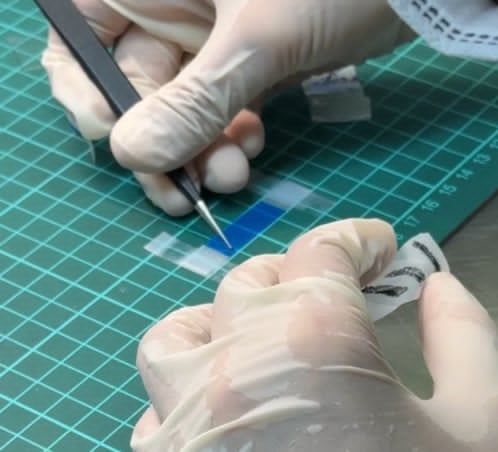
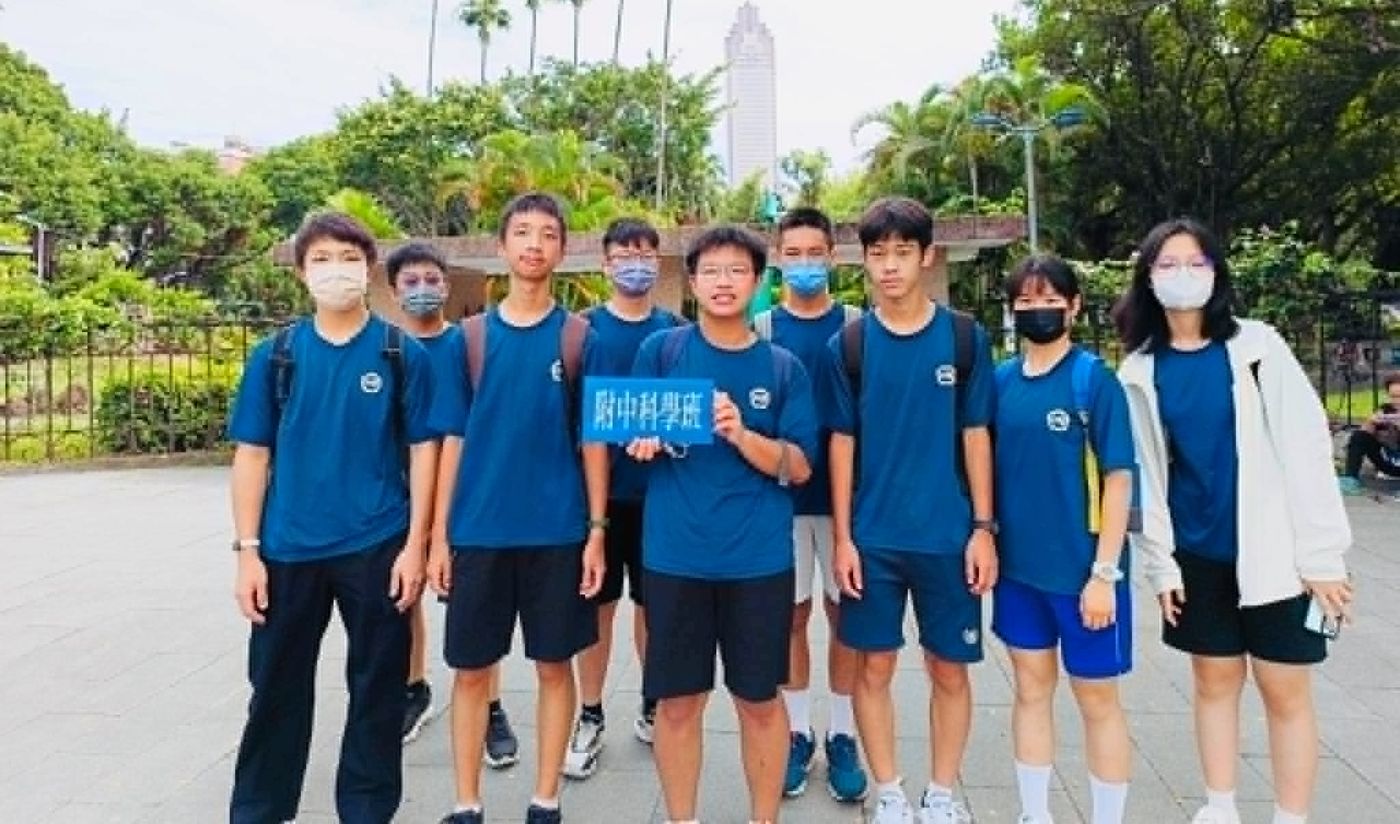
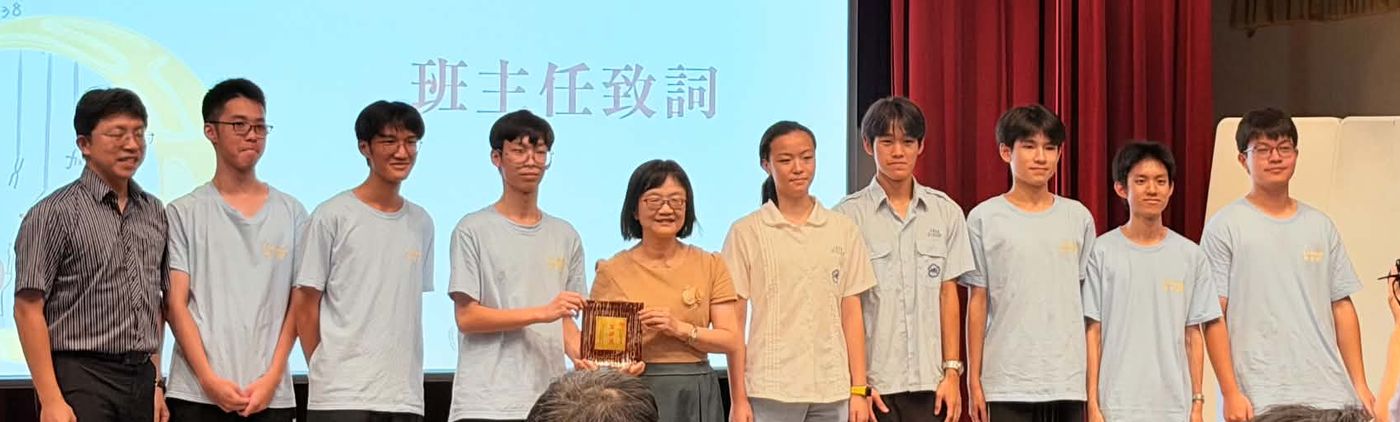
My entrance exam scores could have taken me to Taipei's top-ranked high school. I took a less traveled path instead, because I love science and wanted to do it for real: a 27-student science program that compresses three years of coursework into two and leaves the last year for university-level work.
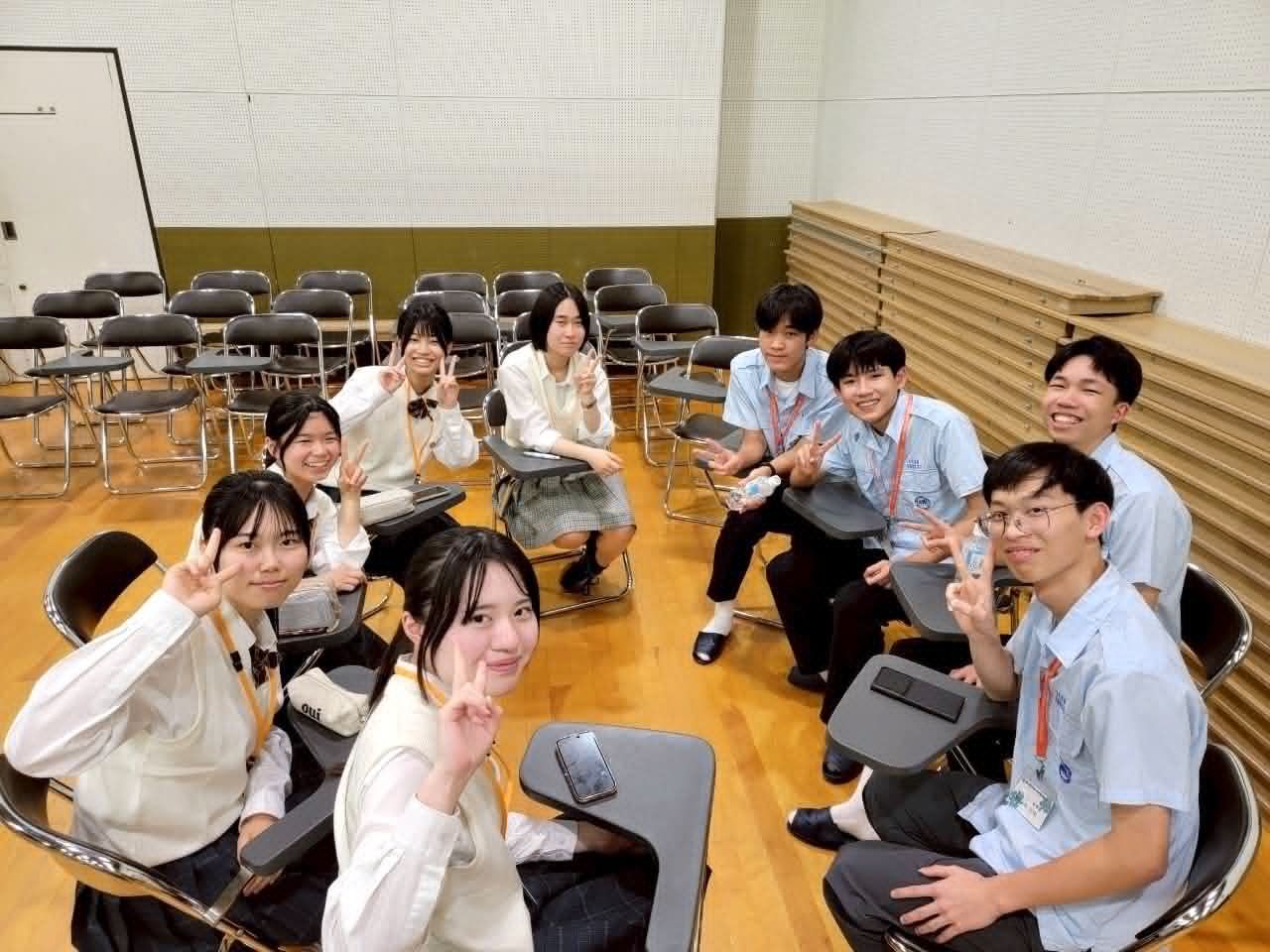
It turned out to be packed. We took university calculus at NTNU in Grade 11, spent two years on research in university labs, met students from other schools and other countries, and turned our research showcase into a murder mystery.
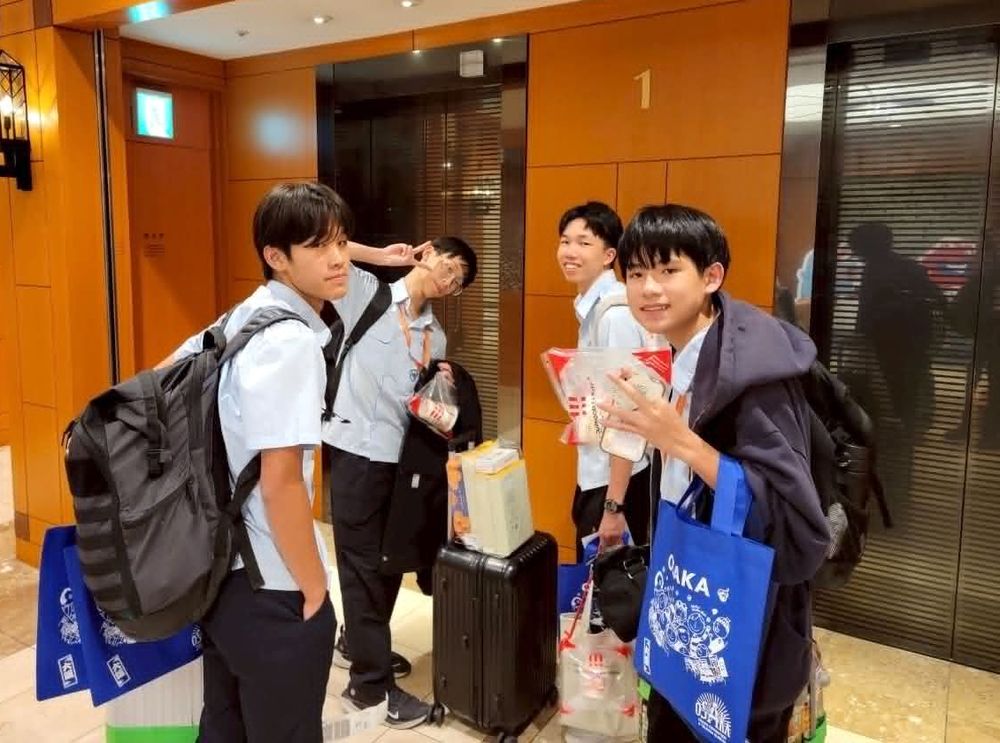
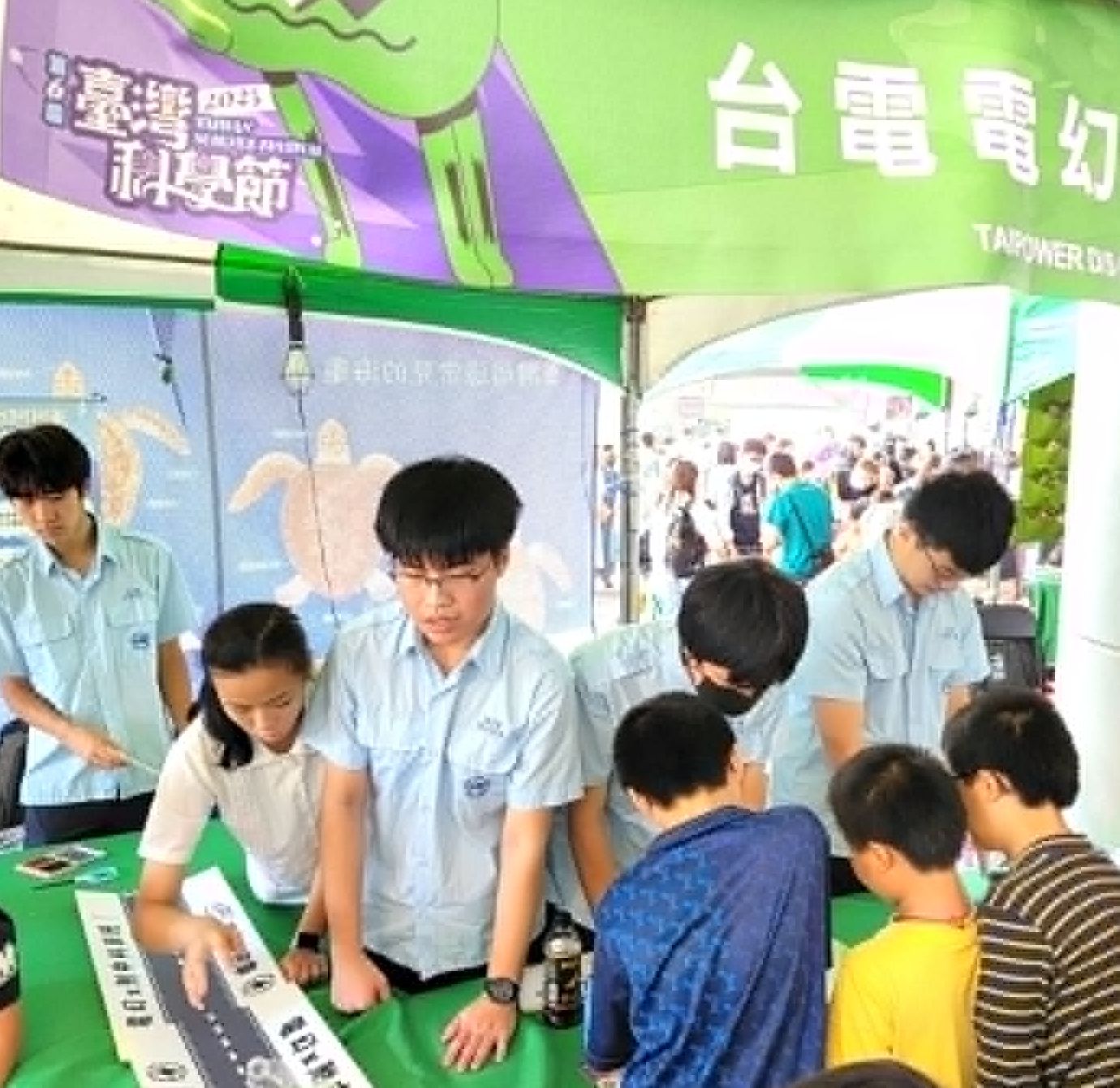
Whatever I find, I want to bring it back to the kids who are where I was a few years ago. Our class volunteers to run hands-on science for children, including a booth at the Taiwan Science Festival.
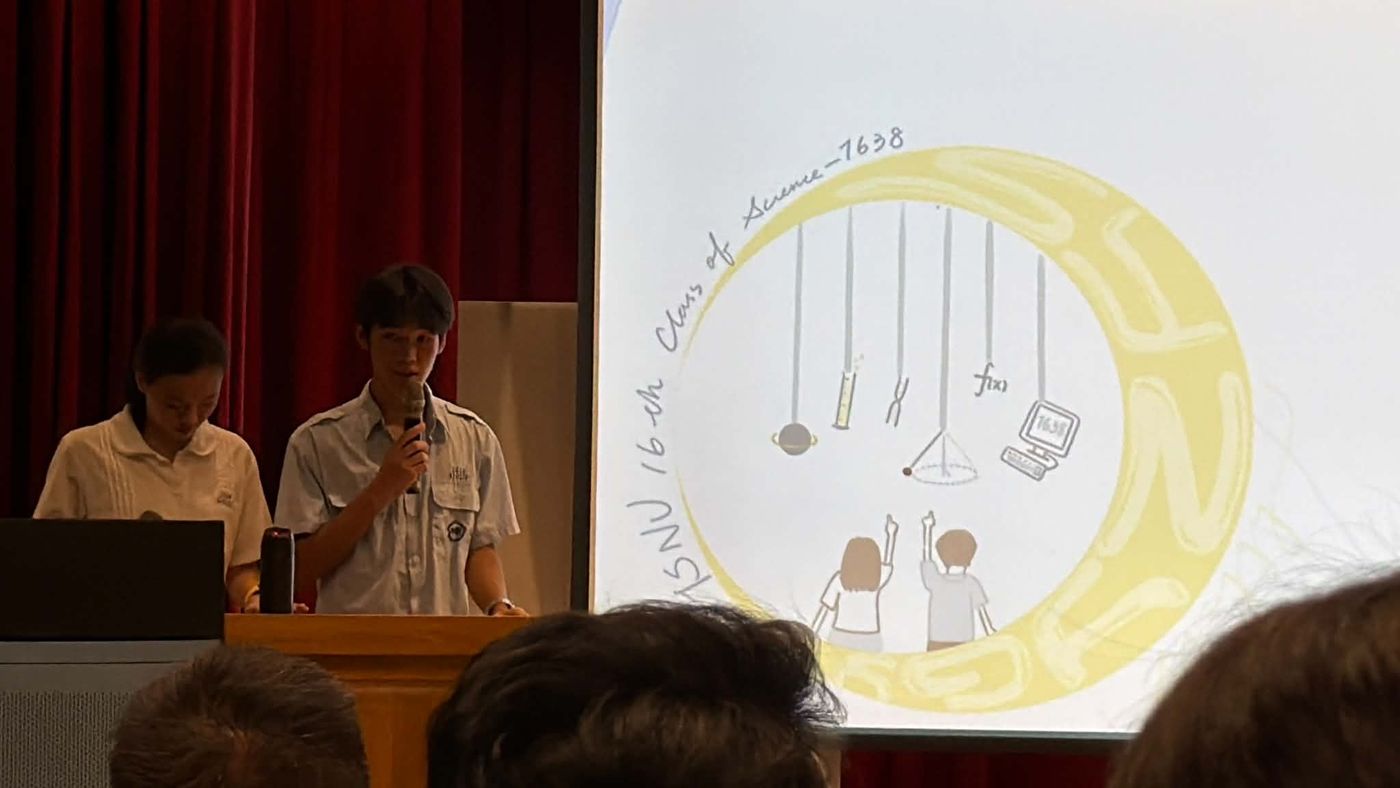
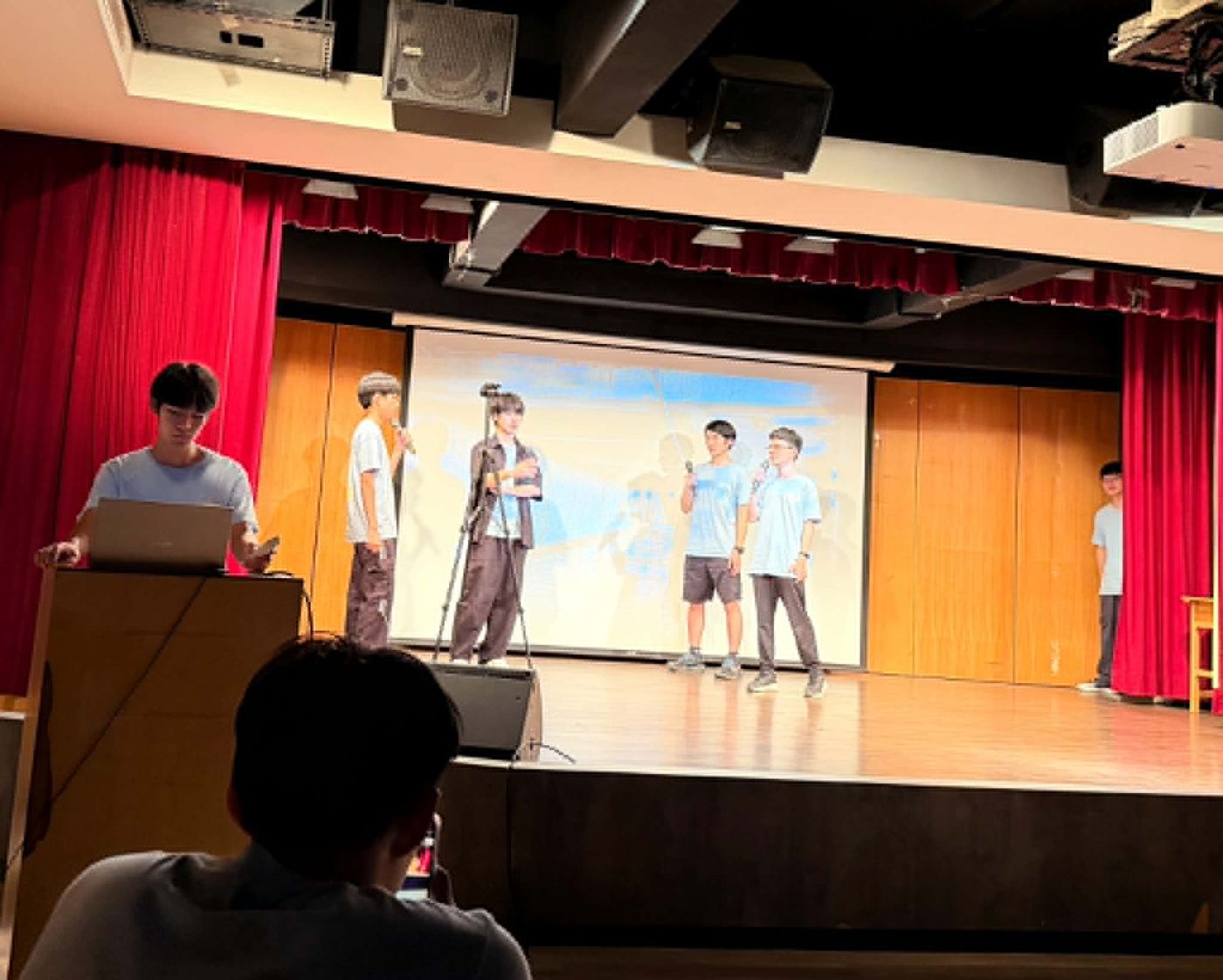
For our science program's research showcase, we wove very different projects in physics, earth science, math and drones into one live mystery play. A professor is murdered in the opening scene, and the audience solves it with science. The real professors survived.
The idea was much more fun to imagine than to execute. Scripts, presentations, transitions, rehearsals, teachers and an audience all had to arrive at the same place at the same time. I set milestones and checkpoints, finished my own presentation early, then spent the next several weeks helping classmates revise their slides and scenes.
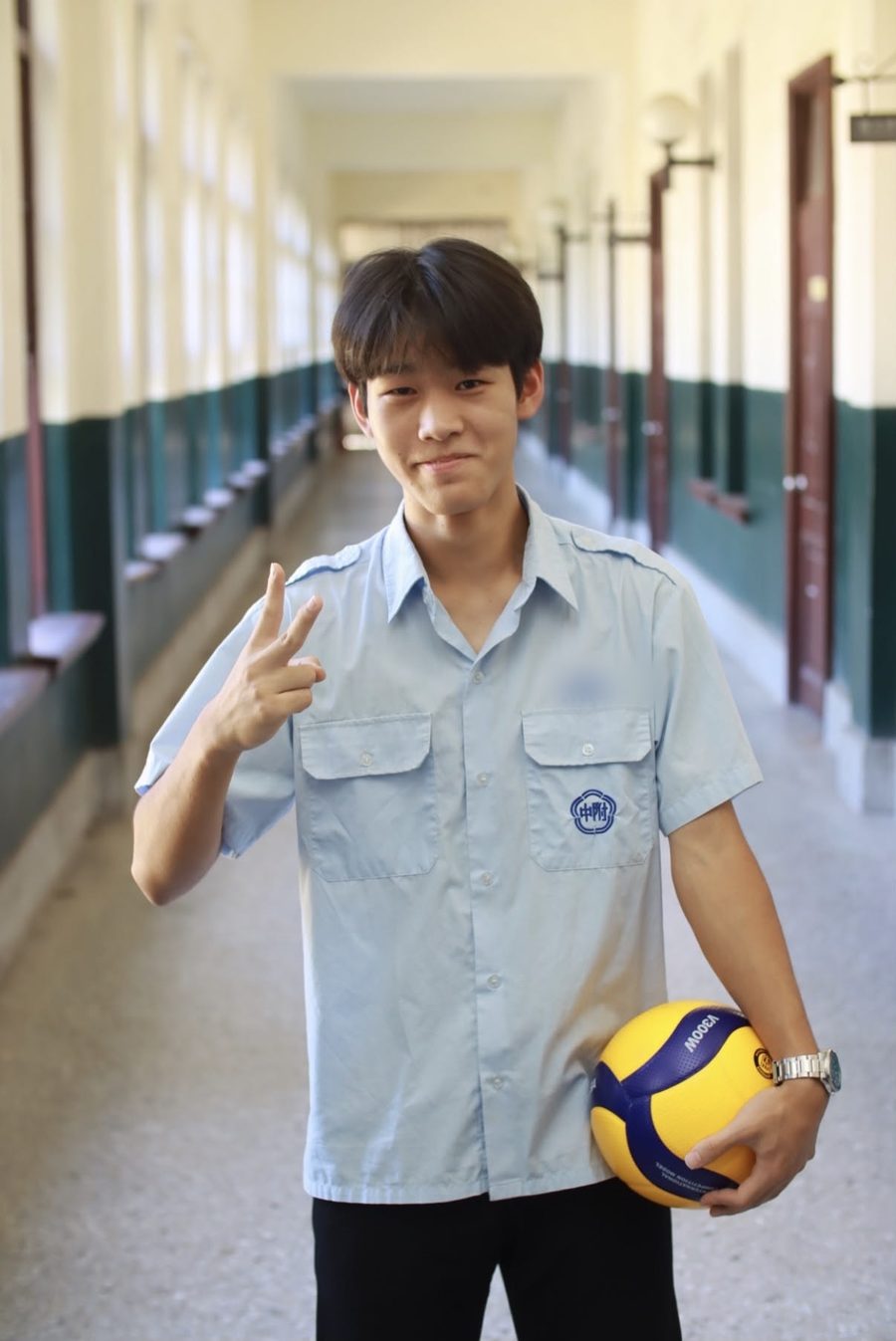
On the day, I was one of the people holding a microphone. By then, most of the leadership had already happened.
Case closed. The culprit was tensile strain all along.
Where do someone's eyes move just before the reveal? How long can I pause before curiosity becomes suspicion? A trick can be rehearsed hundreds of times, but an audience can't. So I learned to watch quietly, notice tiny shifts in attention, and adjust.
What you see is not always what is happening.
Watch the ball. It's under the middle sheet.
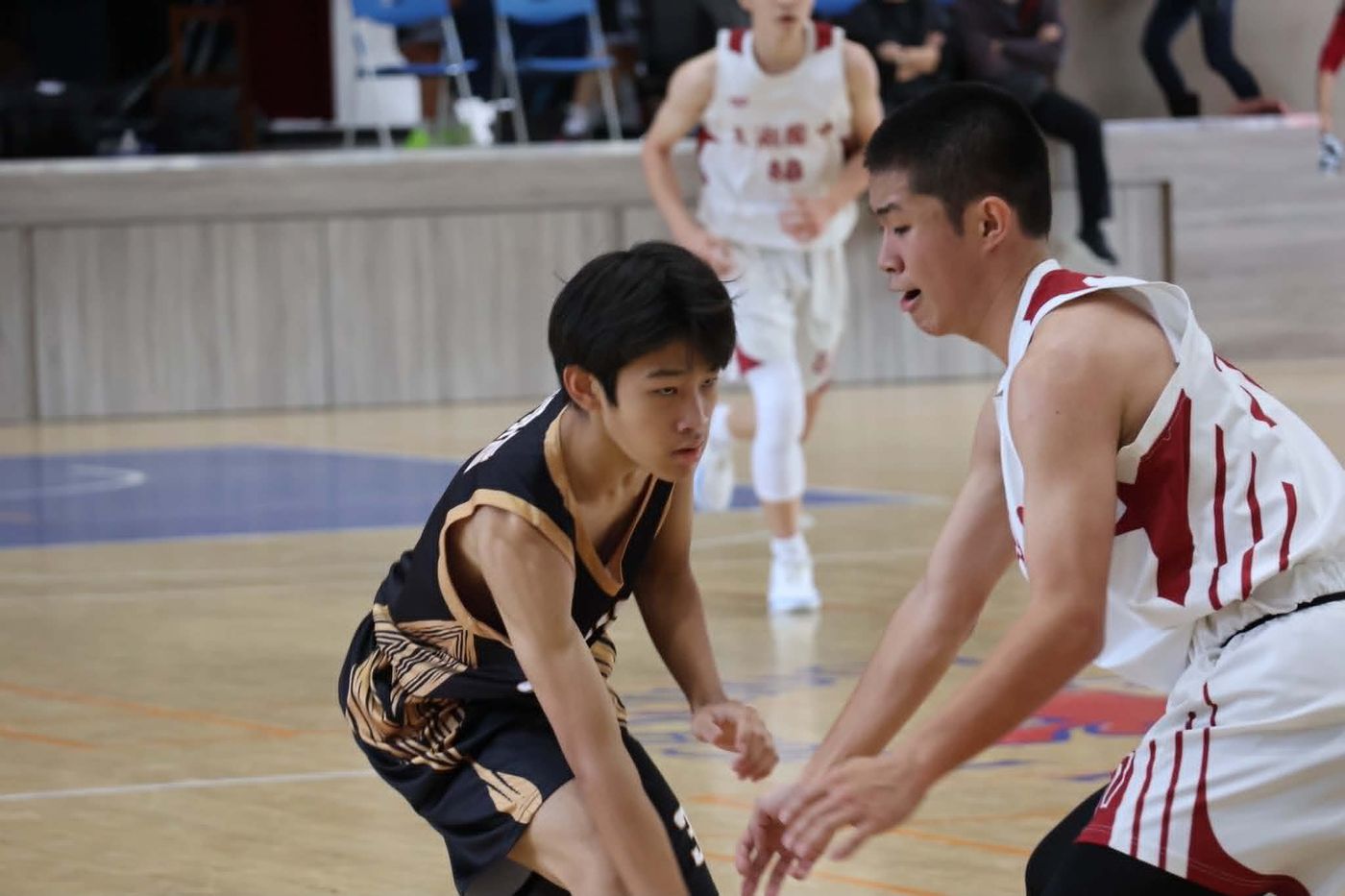
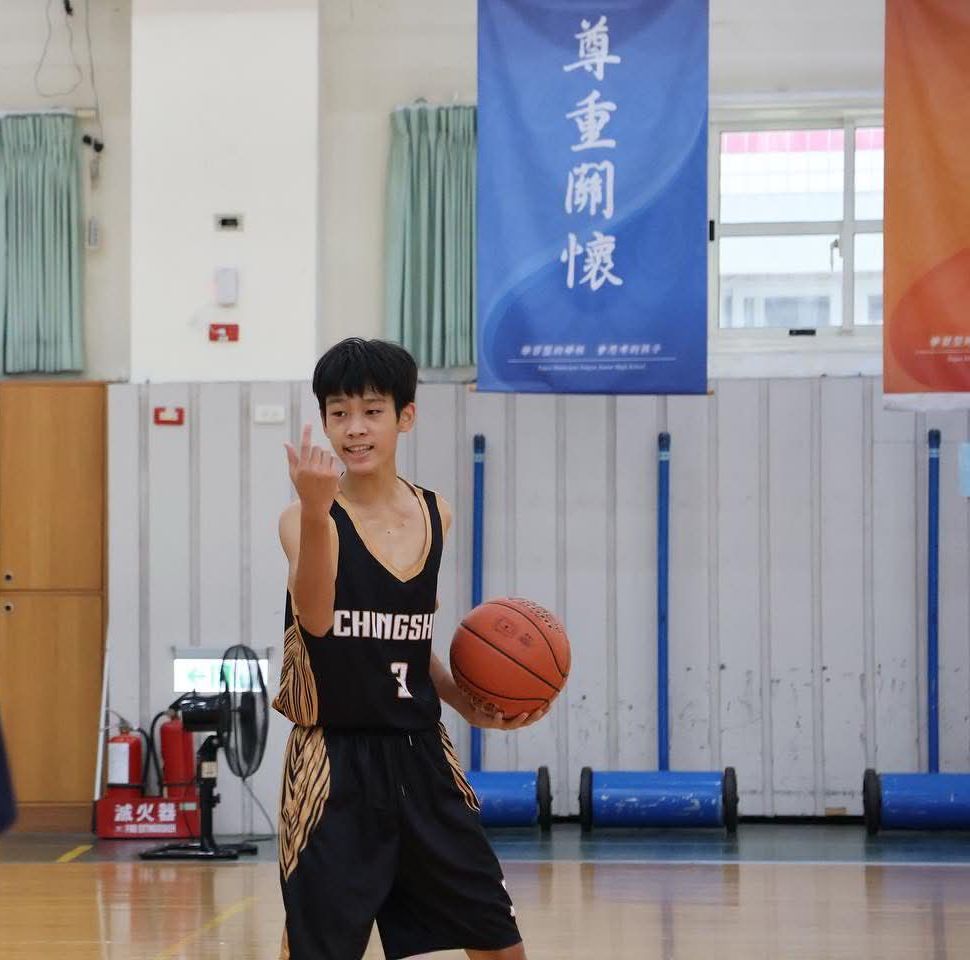
That's my dad's verdict, and he once managed a professional basketball team in Taiwan. At seventeen, I wasn't sure it was a compliment.
I rarely see a possession as just the ball and the basket. I watch where the defense is shifting, which teammate is about to get open, and whether giving up a good shot now creates a better one two passes later.
I'm quiet by nature, and I used to think leaders were the people most comfortable at the center of attention. Yet teachers kept asking me to lead, and classmates kept choosing me to coordinate them. A coach can't see everything, and neither can I. I'm still learning to see the whole court.
Every good trick starts as a bad one. A few things I'm still working on:
PR = percentile rank. PR 92 means I scored higher than 92% of everyone who took it.
Said not this time. Inbox refreshes stopped at 1,284. Building anyway.
Say hi
hello@jerryh.me